
10 Signs You Need Root Canal Treatment
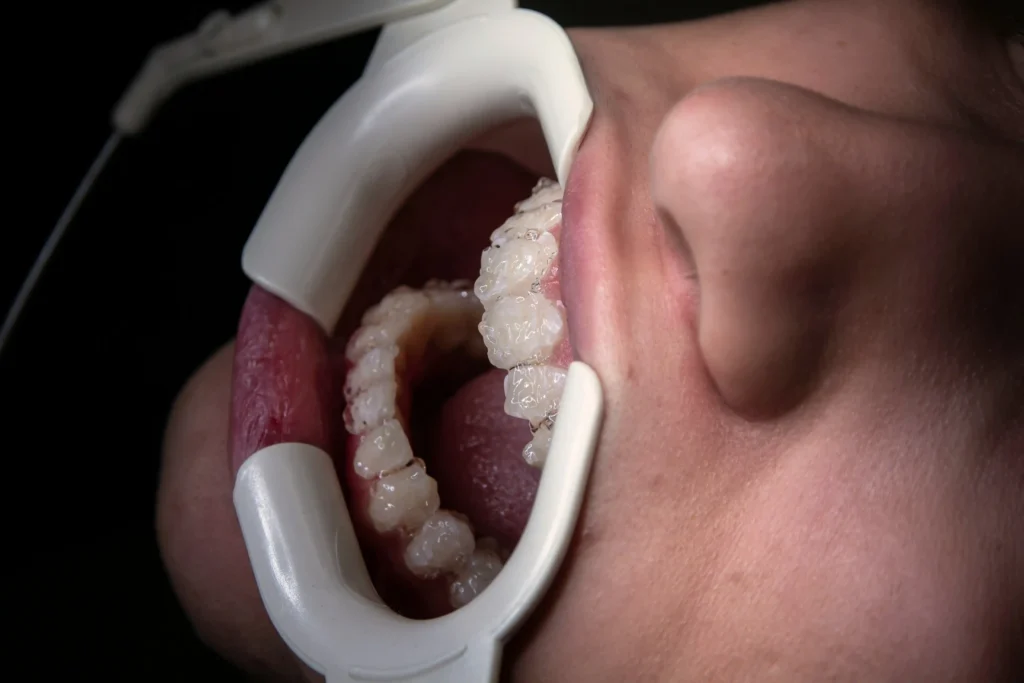
Tooth pain is something many people ignore until it becomes unbearable. However, some dental problems are much more serious than a simple cavity. When the soft tissue inside your tooth, known as the pulp, becomes infected or damaged, you may need root canal treatment to save the tooth and prevent further complications. Understanding the early warning signs can help you get treatment before the infection worsens. In this article, we will discuss the 10 common signs you may need root canal treatment and why visiting a dentist early is important for your oral health. What Is Root Canal Treatment? Root canal treatment is a dental procedure used to remove infected or damaged pulp from inside the tooth. After cleaning the infected area, the tooth is sealed to prevent future infection. Many people think root canal treatment is painful, but modern dental technology and anesthesia have made the procedure comfortable and highly effective. The main goal of a root canal is to save your natural tooth and relieve pain caused by infection. Why Do People Need Root Canal Treatment? There are several reasons why a person may require root canal treatment, including: If left untreated, the infection can spread to surrounding tissues and even lead to tooth loss. 10 Signs You Need Root Canal Treatment 1. Persistent Tooth Pain One of the most common signs of needing a root canal is continuous tooth pain. The pain may feel sharp, throbbing, or constant. Some people experience pain while chewing, while others notice discomfort throughout the day. Pain that spreads to the jaw, ear, or nearby teeth may indicate that the infection has reached the tooth pulp. 2. Sensitivity to Hot and Cold Do you feel a sharp or lingering pain when drinking hot coffee or eating ice cream? Sensitivity that lasts for several seconds or minutes could be a sign of nerve damage inside the tooth. This type of sensitivity often indicates that the tooth pulp is inflamed or infected. 3. Swollen or Tender Gums Swelling around a painful tooth is another warning sign. Infected teeth can cause the gums to become red, swollen, and tender. Sometimes the swelling may come and go, but it should never be ignored. Gum inflammation near a tooth can indicate an underlying infection that requires immediate dental attention. 4. Darkening or Discoloration of the Tooth A tooth that becomes gray, dark yellow, or discolored may be experiencing nerve damage. Tooth discoloration can occur when the blood supply inside the tooth is compromised due to infection or trauma. If you notice sudden color changes in a tooth, it is important to consult a dentist as soon as possible. 5. Pain While Chewing or Touching the Tooth If you experience discomfort while eating or applying pressure to a tooth, the nerves surrounding the infected pulp may be inflamed. Pain during chewing is often a sign that the infection has spread deeper into the tooth structure. 6. A Pimple or Boil on the Gums A small bump or pimple-like swelling on the gums may indicate a dental abscess. This occurs when pus forms due to bacterial infection. You may also notice: A dental abscess should be treated immediately to prevent the infection from spreading. 7. Cracked or Chipped Tooth A cracked or broken tooth can allow bacteria to enter the inner layers of the tooth and infect the pulp. Even if the crack seems small, it can eventually lead to severe infection and pain. Dental injuries from accidents, sports, or biting hard foods are common causes of root canal problems. 8. Loose Tooth An infected tooth may start to feel loose because the infection can weaken the supporting bone around the tooth. If you notice unusual tooth movement or looseness, it may be a sign of advanced infection that requires urgent dental care. 9. Persistent Bad Breath or Bad Taste Chronic bad breath that does not improve with brushing or mouthwash may be caused by bacterial infection inside the tooth. Infected pulp tissue can produce unpleasant odors and a bad taste in the mouth. This symptom is often associated with dental abscesses. 10. Facial Swelling or Jaw Pain Severe dental infections can spread beyond the tooth and affect the surrounding tissues, leading to facial swelling or jaw pain. This is a serious symptom that should never be ignored. In some cases, untreated infection can spread to other parts of the body and become dangerous. What Happens If You Ignore These Symptoms? Ignoring the signs of tooth infection can lead to serious complications, including: Early treatment can help save your tooth and prevent more complicated dental procedures. Is Root Canal Treatment Painful? Modern root canal treatment is generally no more painful than getting a dental filling. Dentists use local anesthesia to numb the area and ensure patient comfort during the procedure. In fact, root canal treatment is designed to relieve pain caused by infection, not create it. How Dentists Diagnose the Need for Root Canal Treatment Dentists use several methods to determine whether root canal treatment is necessary, including: A proper diagnosis helps identify the severity of the infection and the best treatment option. Benefits of Getting Root Canal Treatment Early Getting treatment early offers many benefits, such as: Early treatment is often simpler, faster, and more affordable than delaying care. Tips to Prevent Root Canal Problems You can reduce the risk of needing root canal treatment by following good oral hygiene habits: Preventive dental care is the best way to maintain healthy teeth and gums. When Should You Visit a Dentist? You should visit a dentist immediately if you experience: Delaying treatment can make the problem worse and increase the risk of tooth loss. Root canal treatment can save a severely infected or damaged tooth and prevent serious oral health complications. Recognizing the warning signs early is essential for protecting your smile and overall health. If you are experiencing tooth pain, sensitivity, swelling, or any of the symptoms mentioned above, seeking professional dental care as soon as possible